

A toddler reaches the top of a climbing structure, pauses, and calls for you to look. Of course you want to be part of that moment. So, are adults allowed in indoor playgrounds? Usually, yes - especially when they are accompanying and supervising children. But exactly where adults can go, how they can play, and whether they need to pay admission depends on the play center’s rules and the age of the children visiting.
For families, the best answer is simple: indoor playgrounds are designed for shared family fun, with grown-ups close by to cheer on little adventurers, help with tricky spots, and make the outing feel safe and easy.
Are Adults Allowed in Indoor Playgrounds With Kids?
At most family indoor playgrounds, adults are welcome with their children. Parents, grandparents, guardians, and caregivers play an important role in the experience. Young children may need a hand getting through a tunnel, encouragement before a big slide, or a familiar face nearby while they meet a new friend in the ball pit.
That does not always mean every part of the equipment is built for adult-sized bodies. Soft-play structures have weight limits, height clearances, and routes made for small feet. Some centers welcome adults inside certain areas to assist children, while others ask adults to supervise from the perimeter unless help is needed.
A good rule of thumb is to follow posted signs and ask the team when you arrive. Clear rules protect everyone’s fun - children can explore with confidence, and adults can help without overcrowding spaces meant for little adventurers.
Why Indoor Play Centers Need Adult Rules
An indoor playground is more than a room full of slides. It is a busy space where toddlers, preschoolers, and early elementary-aged kids may be moving at very different speeds. Age-appropriate play zones and adult guidelines help create a calmer, safer adventure for everyone.
Adult access rules are usually based on a few practical concerns:
- Safety and equipment design: Climbing structures and slides may have specific weight, height, or age limits.
- Supervision: Children should remain with their responsible adult, even when trained team members are present.
- Space for kids: A structure can feel much smaller when several adults enter at once.
- Cleanliness: Many centers require socks for both children and adults in play areas.
These guidelines are not meant to take parents out of the fun. They help keep active play organized, especially during busy weekends, school breaks, and birthday celebrations.
Can Adults Play on the Equipment?
Sometimes, but with a little common sense. If a child needs assistance, an adult may be able to enter a play structure briefly or join them in an area designed for family participation. Other attractions, such as arcade games, air hockey, racing games, and imaginative play spaces, are often perfect for kids and grown-ups to enjoy side by side.
The key difference is between helping a child participate and using kid-sized equipment as an adult play space. A grown-up racing through tunnels or sliding into a crowded ball pit can unintentionally make younger children nervous or create safety concerns. It also puts extra wear on equipment that was designed for smaller guests.
If you are unsure, ask a team member before joining in. They can point you toward the spaces where your family can play together comfortably and let you know about any limits at that location.
When a Child Needs Extra Support
Every child explores differently. Some need a parent nearby when trying a new obstacle, while others may need physical assistance because of age, confidence, mobility, sensory needs, or a temporary injury. Let the staff know what support your child needs. A welcoming play center will explain the available options and help you understand which areas are the best fit.
You know your child best. Choosing a quieter visit time, starting in a smaller play zone, or staying close during the first few minutes can turn a hesitant arrival into a proud “I did it!” moment.
Can Adults Visit an Indoor Playground Without Children?
Most indoor playgrounds are family destinations, not adult-only recreation spaces. That means adults generally cannot enter the play area alone or use children’s equipment without a child in their care. This protects the family-focused atmosphere and helps staff maintain appropriate supervision.
There are a few exceptions. Adults may visit to ask about birthday parties, check in for a booked event, meet their family inside, or enjoy designated arcade and seating areas, depending on the center’s policies. For an adult-only visit, it is always best to call ahead or review the location’s admission rules before making the trip.
For birthday parties, invited adults are usually welcome to celebrate, help with food and presents, and watch the birthday child enjoy their biggest day. Party packages may have their own guest counts and room rules, so it helps to confirm those details while booking.
What Adults Should Expect at Check-In
A smooth family outing starts before the first slide. At check-in, the team may ask each child’s age, have a parent or guardian complete a waiver, explain play-zone guidelines, and share the rules for socks, food, outside drinks, or re-entry.
At Wally Wombats, families can enjoy unlimited same-day play, so there is room to slow down, take a snack break, enjoy the arcade, and head back to the action without rushing your little explorer through the fun. That flexibility is especially helpful for younger children who may need a quiet reset between big bursts of energy.
Adults should also expect to stay on site. Indoor play centers are not typically drop-off childcare programs unless they specifically say so. Your presence makes a difference: you can spot when your child is tired, help them navigate social moments, and share in the discoveries that make active play so rewarding.
How to Make the Visit Easy for Everyone
A few simple choices can make a big difference. Dress children in comfortable clothes that allow climbing, crawling, and sliding. Bring or wear required socks, and keep valuables to a minimum. If your child is still learning to share space with other kids, talk through a few reminders before going in: wait for a turn, use gentle hands, and keep moving in the same direction as the other friends.
For adults, the goal is active supervision without taking over. Stay close enough to help, especially with toddlers, but allow children room to test their balance, make choices, and build confidence. A little encouragement from the sidelines can be just as meaningful as joining them in the play structure.
Be mindful of the age zones, too. A confident six-year-old may be ready for a bigger obstacle course, while a younger sibling is happiest in a toddler-friendly area. Splitting responsibilities between adults, when possible, lets each child play at a pace that feels right.
A Better Family Day Includes Grown-Ups
The best indoor playground visits are not about adults standing quietly against the wall while kids burn energy. They are about being present for the giggles, the brave first climb, the new friendships, and the proud run back to tell you what happened next.
Adults may not be able to use every slide or squeeze through every tunnel, and that is okay. Your job is bigger than that: be the cheerleader, the snack-break planner, the hand to hold, and the person who makes a child feel ready for one more adventure.
More from Wally
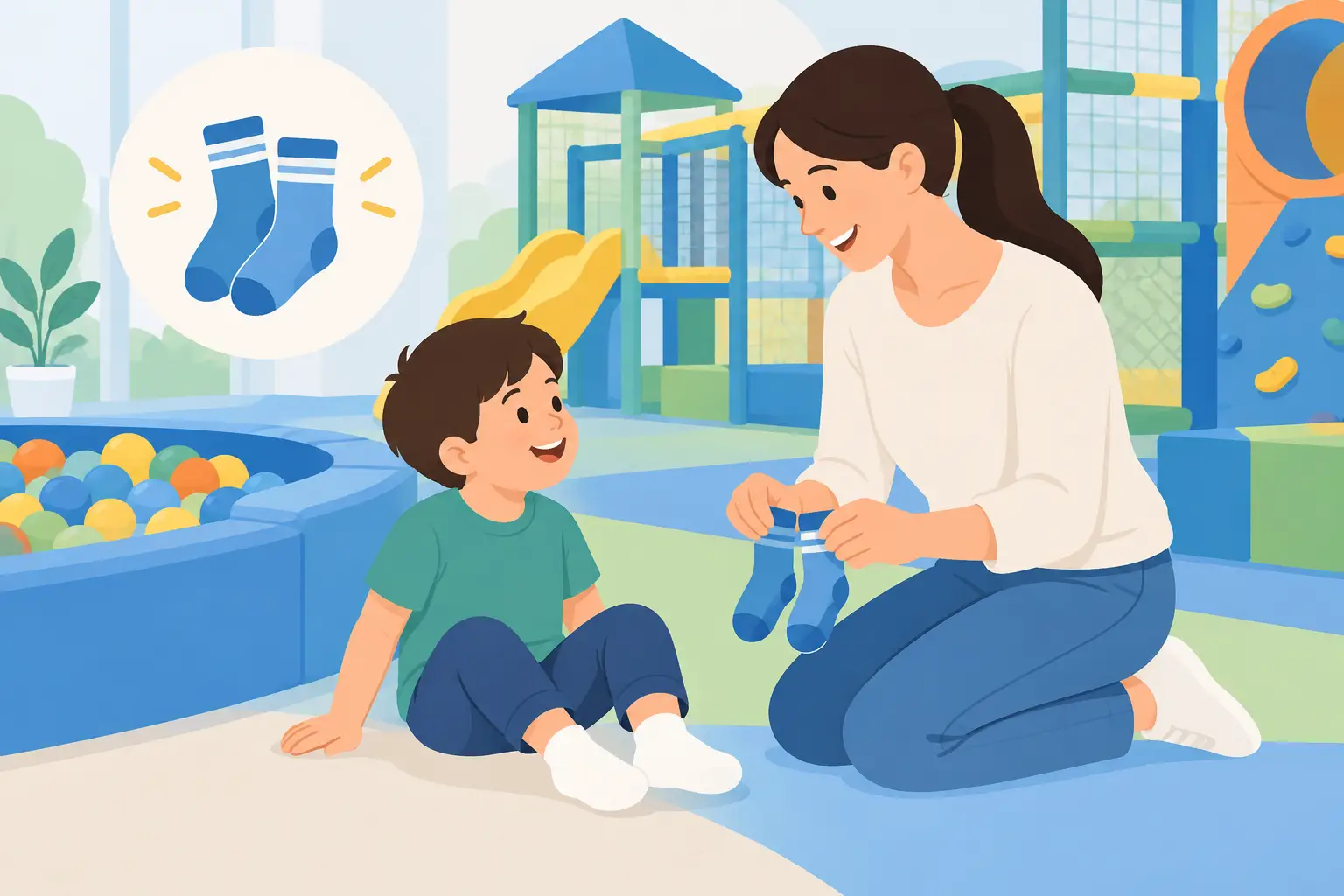
Do Play Centers Require Socks? What Parents Need
Do play centers require socks? Learn why socks matter, what styles work best, and how to make your child's indoor play visit easy, clean, and fun today.
Private Party Room Versus Home: Which Fits?
Choosing a private party room versus home for a child's birthday? Compare cleanup, space, cost, play, and stress for a joyful celebration for families.

A Guide to Children's Party Packages That Work
A guide to children's party packages that helps parents compare play, food, guests, timing, and add-ons for a low-stress celebration they'll enjoy too.