
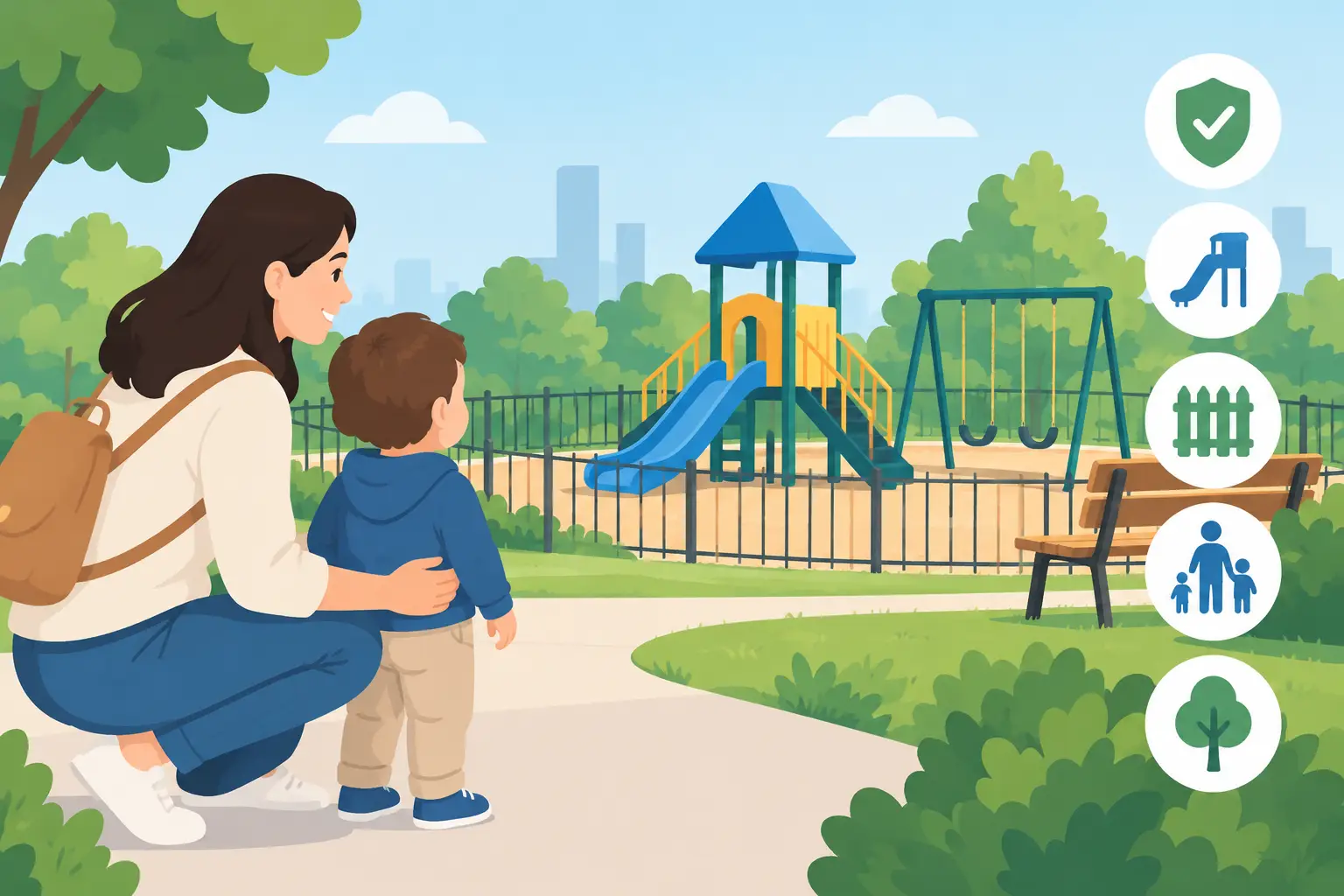
A toddler spots a slide, a tunnel, or a bright ball pit and is ready to go before you have finished parking the car. Your job is to make sure that exciting first dash leads to a good kind of adventure. When you choose safe toddler play spaces, you are looking for more than a fun photo opportunity. You are choosing a place where little explorers can climb, tumble, imagine, and practice independence with the right support nearby.
A great play outing should feel simple for grown-ups, too. You should not have to spend the whole visit worrying about sharp corners, big-kid traffic, unclear rules, or whether there is a clean place for a snack break. Here is what to look for before little feet hit the play floor.
Start With a Toddler-Sized Design
Toddlers learn through movement, but they do not yet judge speed, height, or personal space the way older children can. A safe play space recognizes that difference. Look for clearly defined areas where younger children can enjoy low climbing features, gentle slides, crawl-through tunnels, soft obstacles, and room to move without being overwhelmed.
Age guidance matters, but layout matters just as much. A sign that says “toddlers welcome” is helpful. A space designed so toddlers are not regularly swept into a fast-moving game of tag with much older kids is even better. Separate or thoughtfully arranged play zones help children find an activity that fits their stage, whether they are steady runners or still gaining confidence on their feet.
Check the entry and exit points, too. Indoor playgrounds should make it easy for caregivers to see where children enter and leave the main play structure. For a busy toddler, a clear boundary is not restrictive. It gives them room for brave, happy exploration while giving you a better view of the action.
Look Closely at Cleanliness and Maintenance
Play is supposed to get a little messy. The facility itself should not feel that way. Before committing to a visit, notice the basics: Are floors clear of debris? Do surfaces look cared for? Are restrooms stocked and usable? Is there a visible process for cleaning high-touch areas, especially play equipment and tables?
No family space can promise a germ-free afternoon, and children will still share toys, laughs, and the occasional surprise sneeze. What matters is whether the center takes hygiene seriously as part of its everyday routine. A tidy check-in area, clean seating, and well-maintained equipment are useful clues that the same attention carries into the play zones.
Maintenance is a safety issue, not just an appearance issue. Netting should be secure, padding should be intact, and equipment should not have loose pieces, exposed hardware, or worn spots that create a tripping hazard. If something needs repair, a responsible facility closes it off until it is ready for play again.
Choose Safe Toddler Play Spaces With Clear Supervision
Active play works best when everyone understands their role. Staff should be present, approachable, and prepared to explain the rules. Parents and caregivers should also expect to supervise their own children, particularly toddlers who may need help on steps, reminders about sharing, or a quick reset after a big feeling.
Ask how the play area is monitored. The answer will vary by venue. Some centers have team members circulating through the space, while others rely more heavily on caregiver supervision. Neither setup removes the need for you to keep an eye on your child, but clear policies and visible staff create a more organized environment.
Good rules are easy to understand and consistently followed. Think socks in the playground, no food inside play structures, age or height limits for certain attractions, and reminders to walk in designated areas. These details may sound small, but they prevent many of the bumps and mix-ups that can turn a fun outing into a short one.
Think About the Whole Family Experience
A toddler play space can be safe and still feel stressful if the practical details are difficult. Before you go, check the operating hours, admission approach, parking situation, and whether adults are included in the visit. Families often appreciate a spot that offers enough time to settle in rather than making the day feel rushed.
Indoor play can be especially helpful in Las Vegas, Henderson, and Bullhead City, where hot days can make outdoor playground plans harder to manage. A weather-independent option gives little adventurers a place to burn energy while caregivers get a predictable plan. Free parking, easy check-in, and a comfortable place to sit can make a bigger difference than parents expect.
Consider your child’s rhythm, too. A child who is happiest early in the day may enjoy a quieter morning visit. A social toddler may love a busier after-school crowd. If your little one is sensitive to noise or still learning to navigate group play, choose a time when the center is likely to feel less busy and take breaks as needed.
Notice How the Space Supports Real Play
The best toddler play spaces are not only safe. They are interesting enough to keep children engaged. Physical play areas with slides, ball pits, climbing structures, and obstacle zones build coordination, balance, and confidence. Open-ended imaginative spaces give children another way to grow, whether they are pretending to run a shop, care for a stuffed friend, or head out on a make-believe mission.
Variety is useful because toddler attention can change quickly. One child may spend 20 joyful minutes climbing the same small structure. Another may move from tunnels to pretend play to a quiet snack in record time. A well-designed center gives families choices without expecting children to be entertained by screens alone.
If older siblings are joining the outing, look for a venue with activities that stretch across age groups while protecting toddler needs. An arcade or larger challenge area can give older kids something exciting to do, but the toddler zone should still feel like a place where your youngest child belongs. At Wally Wombats, active indoor play and familiar arcade fun can help families build an outing around different ages without losing sight of little-adventurer safety.
Ask the Questions That Make a Difference
You do not need a long checklist at the front desk, but a few practical questions can help you choose confidently. Ask whether socks are required, whether there are designated toddler areas, how often equipment is cleaned, and what supervision is available. If you are planning a birthday party or a visit with several families, ask how the center manages groups and where adults can gather.
Pay attention to how the team answers. Friendly, direct answers are reassuring because they show the staff knows the operation and wants families to feel prepared. Vague answers, missing rules, or a rushed response may be a sign to keep looking.
It also helps to set a few simple expectations with your toddler before you arrive. Explain that they will stay where you can see them, wait for a turn, keep socks on, and come back when you call. They will not follow every instruction perfectly, because they are toddlers and that is part of the adventure. Still, familiar reminders make the visit smoother for everyone.
Trust What You See and Feel
Parents and caregivers notice a lot in the first few minutes. Is the play area organized? Are children generally playing in age-appropriate ways? Do staff members look engaged? Can you picture your child having fun there while you feel reasonably at ease?
Trust that instinct, while remembering that safe does not mean silent, spotless every second, or free from ordinary toddler tumbles. Safe play means thoughtful design, active care, clear expectations, and enough room for children to learn what their bodies can do. Find that balance, bring the socks, and let your little explorer enjoy the kind of big fun they will be talking about all the way home.
More from Wally
Do Play Centers Require Socks? What Parents Need
Do play centers require socks? Learn why socks matter, what styles work best, and how to make your child's indoor play visit easy, clean, and fun today.
Private Party Room Versus Home: Which Fits?
Choosing a private party room versus home for a child's birthday? Compare cleanup, space, cost, play, and stress for a joyful celebration for families.
A Guide to Children's Party Packages That Work
A guide to children's party packages that helps parents compare play, food, guests, timing, and add-ons for a low-stress celebration they'll enjoy too.